Food gifting blog
Food Gifts vs Food-Related Gifts: When Cookware Is Better
Learn when to send edible food gifts such as prepared meals and when a food-related gift like restored cast iron cookware is the better choice.
Promo codes
Current promo code on this page
Verified 2026-07-09. Verify current checkout terms before relying on any code.
FGGCUSTDecision snapshot
Short answer
Food gifts are best when the gift should feed the recipient.
Why this fits
Food-related gifts are best when the gift should support how the recipient cooks. What A Crock Meals is strongest when dinner help is the point. Cast & Clara Bell is strongest when the recipient would value restored cookware or a cast iron gift box.
A little more guidance
Choosing and sending your gift
Open the questions that matter to your recipient.
Overview
Food gifts and food-related gifts solve different problems. A food gift gives the recipient something to eat. A food-related gift gives the recipient something that supports cooking, hosting, storing, serving, or enjoying food. Both can be thoughtful. The right choice depends on the recipient's situation.
The mistake is treating every food-adjacent gift the same. A prepared meal gift is not the same as a cookie box. A restored cast iron skillet is not the same as a fruit basket. The best gift starts with the job you want the gift to do.
Relationship note: Food Gifting Guide has a business relationship with What A Crock Meals and Cast & Clara Bell.
When edible food gifts are better
Edible food gifts are better when the recipient needs immediate comfort, convenience, celebration, or sharing. Prepared meals, soup packages, dessert boxes, regional foods, and baskets all make sense when eating the gift is the point.
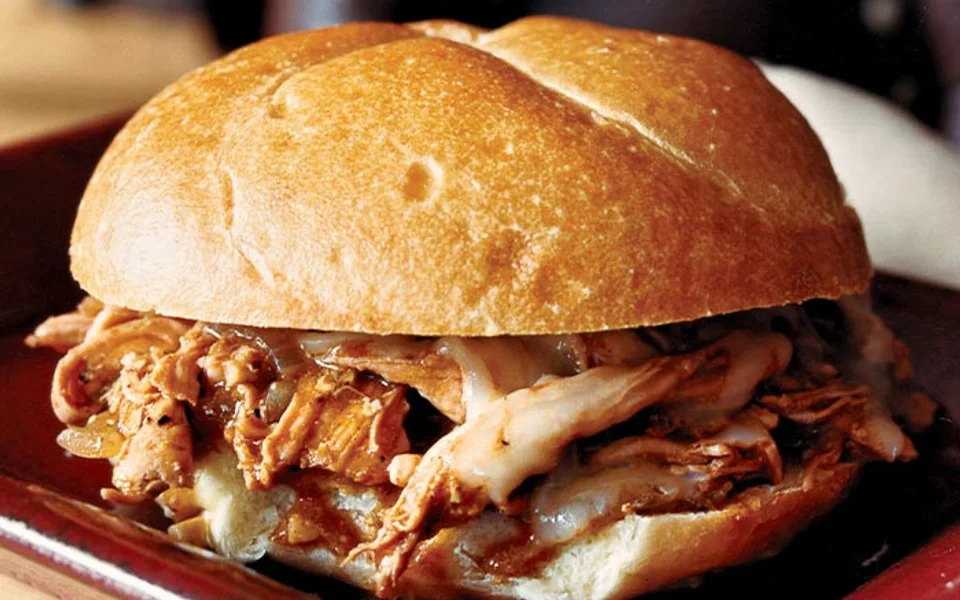
Prepared meal gifts are especially strong when the recipient is overwhelmed. A new parent, grieving family, recovering friend, caregiver, or busy household may appreciate dinner support more than another object. What A Crock Meals fits this situation because the gift is built around frozen prepared comfort meals, digital gift cards, and one-time ordering rather than a subscription.
Choose edible food gifts when:
- The person needs dinner help.
- The occasion is emotional or supportive.
- The recipient may not have time to cook.
- The gift should be consumed and not stored long term.
- You want a gift that works for a household, not only one person.
When food-related gifts are better
Food-related gifts are better when the recipient enjoys cooking itself. A home cook may remember a great skillet longer than a snack box. A baker may use a pan for years. A griller may appreciate tools that change the way they cook.
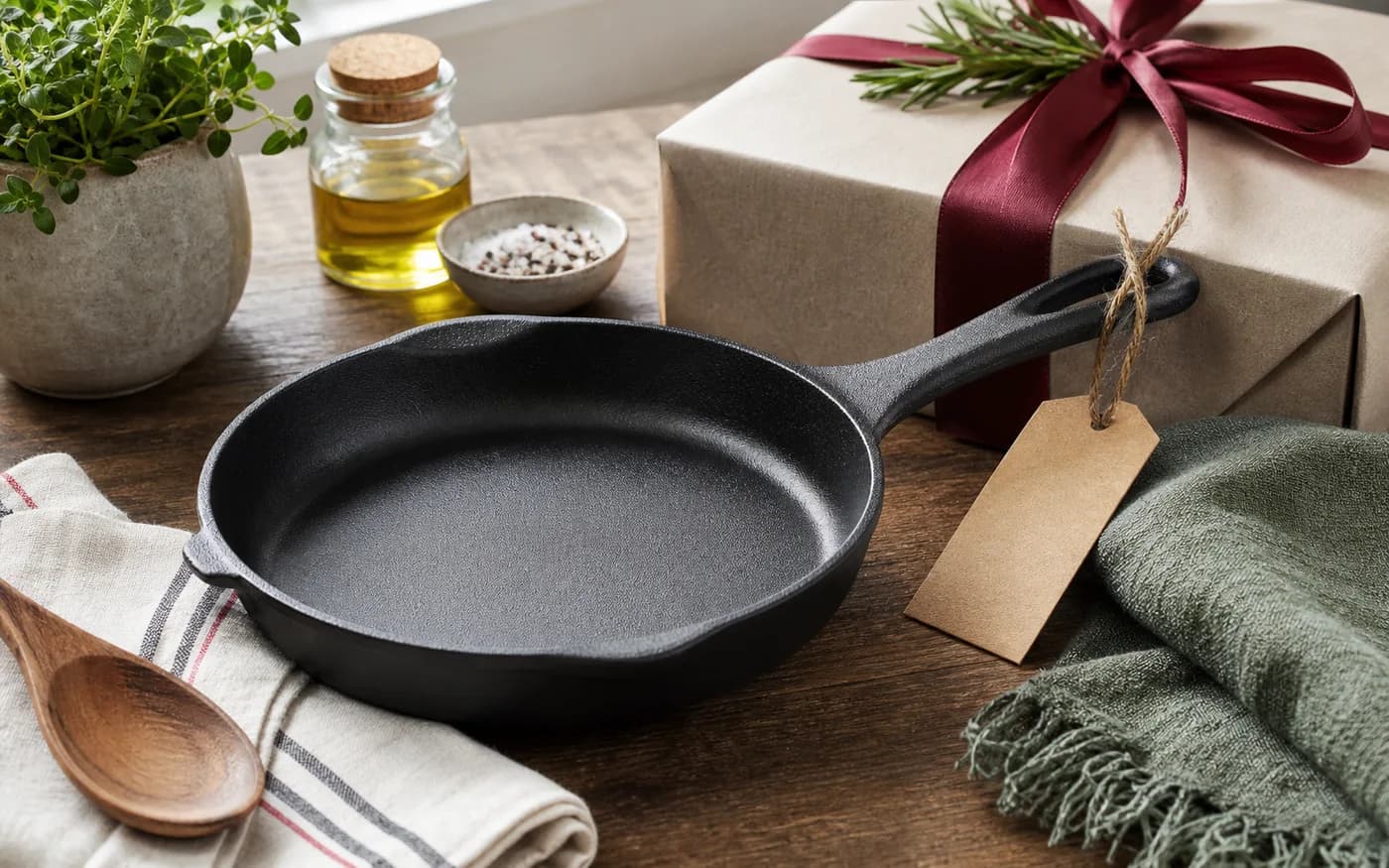
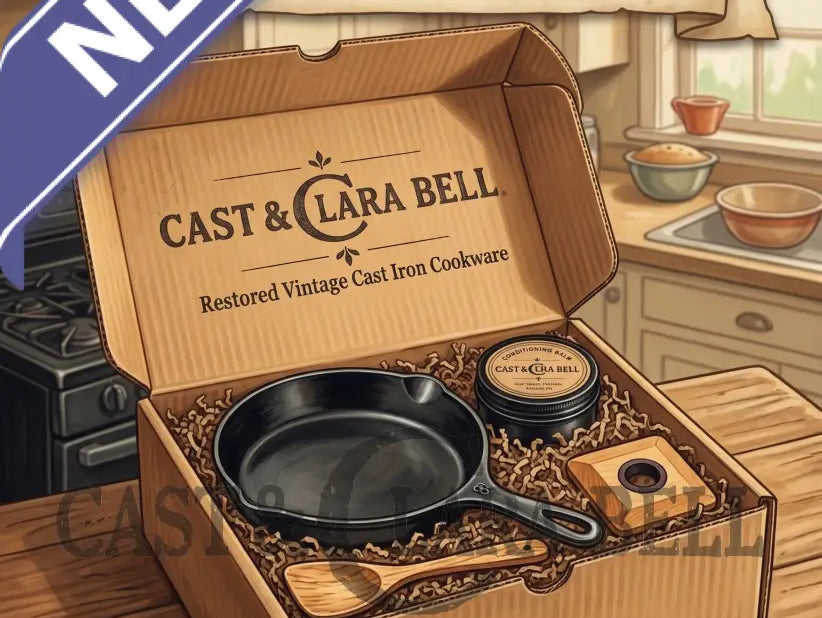
Cast & Clara Bell is a strong example because the store focuses on restored vintage cast iron cookware, gift boxes, handmade kitchen accessories, conditioning balm, and digital gift cards. That makes it a food-related gift rather than a traditional food gift. The recipient does not eat the gift. They use it to make future meals.
Choose food-related gifts when:
- The recipient loves cooking, baking, grilling, or kitchen tools.
- The gift should last longer than a few days.
- The recipient has the energy and interest to use the item.
- You know their kitchen style well enough to choose responsibly.
- You want the gift to feel personal without sending more sweets or snacks.
Use the recipient's current life stage
Life stage matters more than product category. A serious home cook with a new baby may still need prepared meals more than cookware right now. A busy parent who already loves cast iron may appreciate a skillet later, but not during a chaotic week.
For crisis, recovery, and support moments, edible help usually wins. For birthdays, holidays, housewarmings, Father's Day, Mother's Day, and gifts for hobby cooks, food-related gifts become stronger.
Meal gifts vs cookware gifts
Meal gifts remove work. Cookware gifts invite work. That sounds negative, but it is the key distinction.
If cooking feels like a burden to the recipient, send meals. If cooking feels like a hobby, send cookware. A person who loves making breakfast on weekends may be excited by restored cast iron. A person who has not slept through the night in weeks may prefer freezer meals.
The best gift is aligned with the recipient's energy, not the sender's taste.
Food gift cards vs cookware gift cards
Gift cards are useful in both categories. A meal gift card lets the recipient choose flavors, delivery timing, and freezer fit. A cookware gift card lets a home cook choose size, maker, style, and accessories.
Gift cards are especially smart when the recipient has strong preferences. Food preferences can involve allergens, diet, spice level, and storage. Cookware preferences can involve weight, size, vintage maker, and cooking surface. If you are guessing too much, let the recipient choose.
When a basket is still the right choice
Do not dismiss classic food baskets. They are still useful for clients, offices, hosts, holidays, and broad-audience gifting. A basket is easy to understand and easy to share. It is just not the best fit for every occasion.
If the recipient is a close friend going through a hard week, a basket may be less useful than prepared meals. If the recipient is a client or coworker, a basket may be more appropriate than sending frozen dinners.
A simple decision framework
Ask four questions:
- Does the recipient need help eating soon?
- Does the recipient enjoy cooking enough to want a tool?
- Does the gift need to be shared with a group?
- Do you know enough about preferences to choose confidently?
If the answer to the first question is yes, start with meal gifts. If the answer to the second question is yes, consider cookware. If the gift is for a group, consider baskets, desserts, or regional foods. If you do not know enough, choose a gift card.
Bottom line
Food gifts are best when the gift should feed the recipient. Food-related gifts are best when the gift should support how the recipient cooks. What A Crock Meals is strongest when dinner help is the point. Cast & Clara Bell is strongest when the recipient would value restored cookware or a cast iron gift box.
Do not choose the gift that looks most impressive to you. Choose the gift that fits the recipient's next real use.